- by foxnews
- 07 Jul 2026
MORNING GLORY: The Supreme Court officially closes the books on another term
Only about a fifth of SCOTUS cases this term split along ideological lines, with Roberts and Kavanaugh each in the majority 95% of the time.
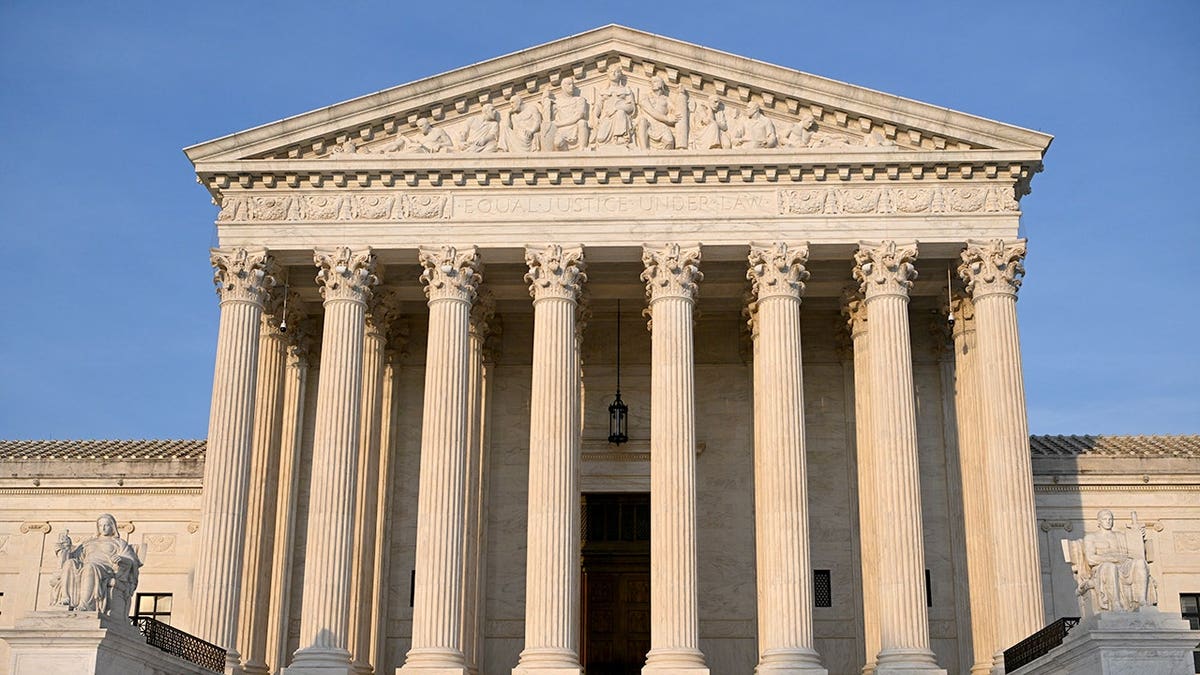
Teaching Constitutional Law is a joy, not a job - except for the 11th Amendment and the "Dormant Commerce Clause" cases and materials. The law school classroom is also a great vantage point from which to recognize that American constitutional law moves at a very gradual pace - and that this pace is a very good thing for the enduring "rule of law" that Americans enjoy.
Still, there are many reasons why, come every June or at latest early July, most of the nation's news media focuses on the decisions flowing out of One First Street, N.E., Washington, D.C. As a republic of laws, the nation's highest court makes decisions impacting every American as we are equal before the law. The most difficult cases it accepts and decides matter to our 330 millions. The news media - legacy and "new" alike - love the storylines.
"SCOTUSblog" has thus become an extremely useful gathering place for Court watchers of all sorts, but especially for non-lawyers trying to make sense of the end-of-term rush of decisions. That goes double for laymen trying to figure out if the Court is shifting hard-right or hard-left on many issues or even some.
"By several measures, this term was more ideologically divided than the last one," Jake Truscott and Adam Feldman wrote for the SCOTUSblog platform on the first day of this month. "Last term, 15.2% of the court's decisions were decided by a 6-3 vote, and 9% of all decisions were 6-3 ideological splits. This term, those figures rose significantly, to 28.8% and 22.7%, respectively."
The Court issued 67 majority opinions this term, though it actually makes hundreds of smaller decisions throughout the Court year that begins in October and ends (usually) as June closes.
"The justice-level data reinforces this picture of a court still organized around a conservative center, but not operating in a purely ideological pattern in every major case," Truscott and Feldman wrote. "Roberts and Kavanaugh were in the majority most often this term, each at 95%. Barrett followed at 92%."
"[Justice] Jackson remained the justice least often in the majority," they continued. "She was in the majority 67% of the time overall this term and 41% of the time in non-unanimous cases."
The "birthright citizenship" case, Trump v. Barbara, drew lots of attention but very little genuine surprise among the population at large. Find me anyone outside of academia and a few think tanks who even knew there was a question about the citizenship of any baby born in America before the abandonment of border enforcement in the Biden years, and I'd be surprised if that person knew the underlying text, history and tradition of the arguments. Like most "big cases," the "importance" of the case will fade even as policy arguments about the actual issue of rational immigration policy continues.
Which is itself a triumph for the rule of law. Americans generally accept the Court's rulings and move on. Contrary to the overheated and indeed absurd "Trump is a fascist" rhetoric, President Trump has always complied with every court decision, even those with which he deeply and loudly disagrees. Such is the authority of the Supreme Court. The Court gets the final say on the "cases and controversies" that divide the country. It has been that way since the Civil War, and we will all be blessed if it stays that way.
So push away the alarmists. Ignore the doomsayers. The Supreme Court has gone about its work successfully - again - and will be back at it in October (or earlier if need be.) The "republic of laws not men" carries on. Con Law is still the most interesting course in law school, but its textbooks change very little from year to year. And that is a very, very good thing.
you may also like


- by foxnews
- 07 Jul 2026
WWE legend John Bradshaw Layfield hails AAA the 'hottest program in the world right now'
travel
- by foxnews
- descember 09, 2016
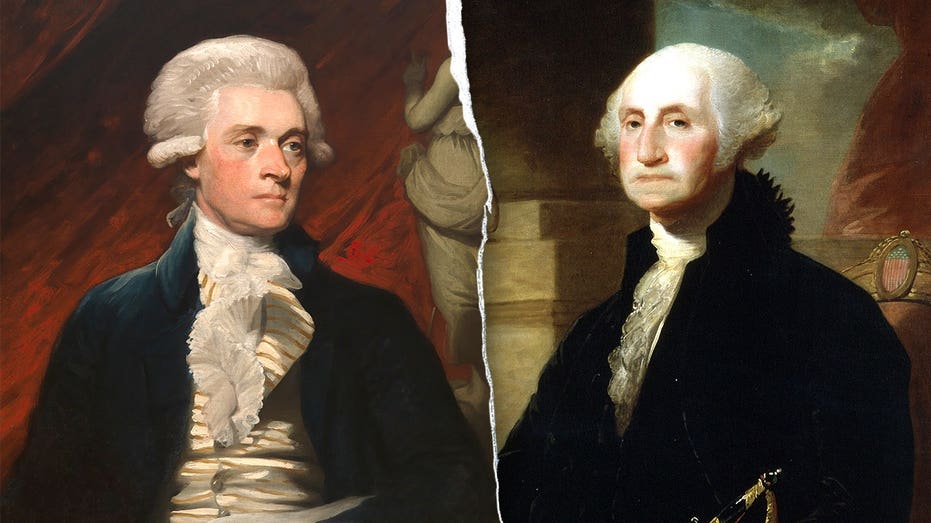
Discoveries that reshaped what historians knew about America's Founding Fathers
Discoveries from DNA testing, archaeology and archival research have reshaped what historians know about Jefferson, Washington and other Founding Fathers.
read more