- by foxnews
- 23 Jun 2026
Could the 7-Eleven breach affect you?
A 7-Eleven data breach linked to franchisee records reportedly exposed personal details including names, addresses, dates of birth and phone numbers.
- by foxnews
- 01 Jun 2026
- in technology
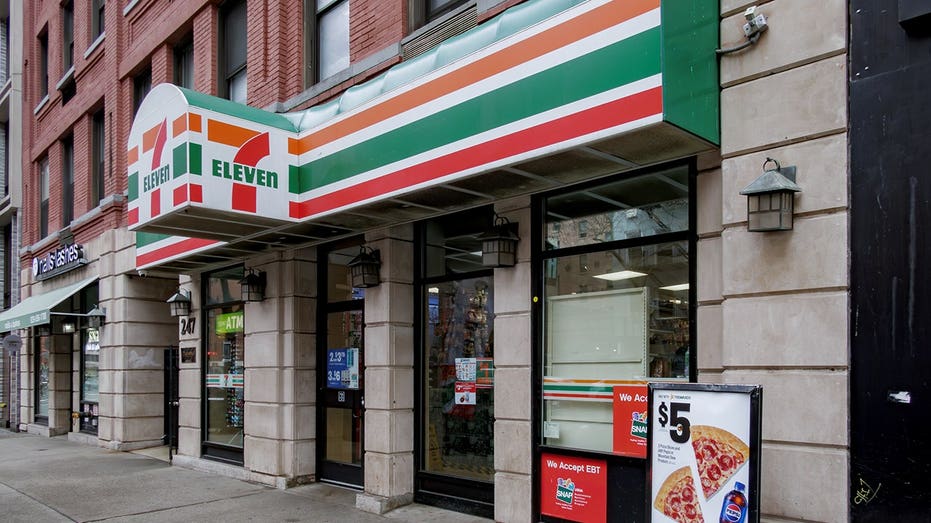
That is what happened after breach notification service Have I Been Pwned added 7-Eleven to its database. The service says the breach exposed about 185,000 unique email addresses. The exposed data also included names, dates of birth, phone numbers and physical addresses.
The company later said the breach involved certain 7-Eleven systems used to store franchisee documents. That detail is important because the exposed data appears tied to franchise-related records, rather than ordinary store purchases. Still, if your information was part of the leak, the risk can feel very personal.
Sign up for my FREE CyberGuy Report
Plus, you'll get instant access to my Ultimate Scam Survival Guide free when you join.
7-Eleven's chief information security officer, Jim Kastle, said an unauthorized third party accessed an internal server that contained franchisee documents. The company said the incident involved certain systems used to store those records.
That makes this breach different from a typical customer checkout breach. Based on the company's notification language, the affected records appear connected to franchise applications or franchisee documents.
Have I Been Pwned says the breach exposed 185,000 unique email addresses. The exposed information also included:
You may wonder, "I only buy coffee there. Should I care?" For most everyday 7-Eleven shoppers, this breach may not involve store purchase history. However, anyone who applied to become a franchisee, handled franchise documents or shared personal information through that process should pay close attention.
Even when a breach affects a limited group, the exposed data can still spread. Once hackers publish personal records, scammers can reuse them in many ways.
Fake emails could mention 7-Eleven by name. Phone calls may include your name, number or address to sound legitimate. Scammers could also send messages that pressure you to "verify" your identity after the breach. That is where the real damage often begins.
Hackers do not need every detail about you to cause trouble. A few personal facts can make a scam feel believable.
For example, a scammer might send an email that claims to be from 7-Eleven, an identity theft protection company or a breach response team. The message may say you need to click a link to activate identity protection. It may also ask you to confirm your Social Security number, upload your driver's license or enter banking details.
That kind of message can feel urgent. Scammers count on that reaction.
They know people act quickly when they feel scared. They may use phrases like "final notice," "account locked," or "breach claim pending" to push you into clicking before thinking.
7-Eleven reportedly notified affected individuals and arranged identity theft protection for up to 24 months.
If you receive a notice, read it carefully. Use the official instructions in the letter. Avoid clicking links in random emails or text messages that claim to offer breach help.
Instead, type the official website address into your browser yourself. You can also contact 7-Eleven through a verified channel.
We reached out to 7-Eleven for comment, but did not hear back before our deadline.
A breach can feel out of your hands. However, you still have several smart moves available.
You can remove your information manually from individual data broker sites, though that process takes time. A data removal service can help automate opt-out requests and continue monitoring for your information when it reappears. Check out my top picks for data removal services and get a free scan to find out if your personal information is already out on the web by visiting Cyberguy.com.
If your Social Security number or driver's license number was exposed, identity theft protection may be worth considering. These services can monitor your credit, alert you to suspicious activity and help with recovery if someone tries to open accounts in your name. If you receive an official breach notice from 7-Eleven, review any identity protection offer carefully. Go through the official letter or verified company website rather than clicking links in random emails or texts. See my tips and best picks on Best Identity Theft Protection at Cyberguy.com.
If someone calls and claims to help with the breach, slow down. Do not give out your Social Security number, driver's license number or banking details over the phone. Hang up and call the company back using a verified number.
Data breaches have become so common that it is tempting to shrug them off. That can be risky. Personal details such as your name, address, date of birth and phone number can give scammers a running start. The 7-Eleven data breach may not affect every customer who has ever bought a Slurpee or filled up at one of its stores. However, for the people whose information was exposed, it can create a long tail of fraud risk. The best move now is simple. Verify before you click, strengthen your accounts and assume scammers may try to use this breach as a conversation starter.
Should companies face tougher penalties when personal data tied to job, franchise or business applications ends up in hackers' hands? Let us know by writing to us at Cyberguy.com.
Sign up for my FREE CyberGuy Report
Copyright 2026 CyberGuy.com. All rights reserved.
you may also like
- by foxnews
- 23 Jun 2026
FBI says Russian hackers hijacked old Wi-Fi routers
- by foxnews
- 23 Jun 2026
UK to ban TikTok, YouTube, other social media apps for children under 16, Starmer says




travel
- by foxnews
- descember 09, 2016
Cruise tipping charges are 'out of control,' say passengers as companies tout 'exceptional service'
Cruise lines including Holland America, MSC Cruises and Carnival raise daily gratuity charges in 2026, frustrating passengers on hidden costs. The cruise lines cite their great service.
read more