- by foxnews
- 01 Jun 2026
Are bank text codes enough to protect you?
Bank security codes sent via text may not be enough. Learn why authenticator apps and passkeys offer stronger two-factor authentication protection.
- by foxnews
- 01 Jun 2026
- in technology
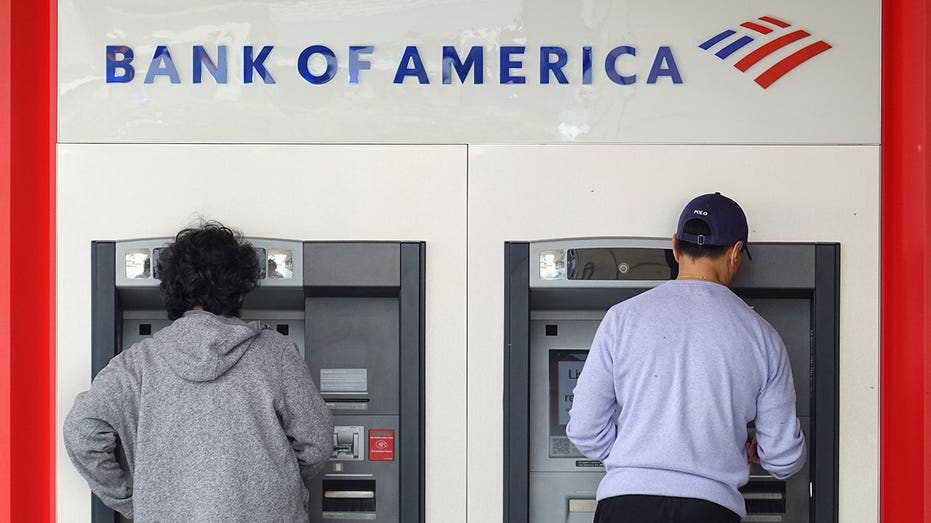
Kyra from West Plains, Missouri, reached out to us asking:
Kyra, this is a great question because a lot of people are in the same boat. They see a code pop up and assume they are fully protected. The truth is a little more complicated. Text or email codes are better than having only a password.
Sign up for my FREE CyberGuy Report
So, Kyra, if your bank already sends you a code, that is a good sign. It means some form of extra protection is turned on. But the next question is whether your bank offers a stronger option.
Text message codes are popular because they are easy to use. Most people know how to read a text and type in a code. That convenience comes with risk.
That is why the safest rule is simple: Never share a bank security code with anyone who contacts you. A real bank should not call and ask you to read back a login code.
That said, authenticator apps are not magic. If you type a code into a fake banking website, a scammer may still capture it. One-time password authentication isn't phishing-resistant. Still, authenticator apps remove some of the biggest weaknesses tied to text-message codes.
Some banks and financial services give you stronger ways to prove it is really you when you log in. Two of the strongest options are hardware security keys and passkeys.
A hardware security key is a small physical device, often shaped like a USB stick, that you plug into your computer or tap against your phone to approve a login.
These options are harder for scammers to steal because they are designed to work only with the real website or app. That means a fake banking website usually cannot trick them the same way it can trick someone into typing in a text code.
For most people, the safest order is simple: use a security key or passkey if your bank supports it. If not, use an authenticator app. If text codes are the only option, keep them turned on because they are still better than using only a password.
You may not need to visit a branch. In most cases, you can check this from your bank's official website or app.
Start from a computer if you can. Go directly to your bank's official website by typing the web address yourself. Do not click a link from a text or email, even if it looks real.
Then look for a section with a name like:
Once you are there, look for an option called Authenticator app. Some banks may use different wording, such as authentication app, one-time passcode app, TOTP, security app or third-party authenticator. If you see that option, follow the setup steps. Your bank will usually show a QR code on your computer screen. Open your authenticator app on your phone, tap Add account or the + button, then scan the QR code. The app will generate a six-digit code. Enter that code on your bank's website to confirm setup.
This part matters more than people realize. If your bank gives you backup codes, save them right away. Print them and store them somewhere safe, or place them in a secure password manager. These codes can help you get back into your account if your phone gets lost, damaged or replaced.
Also, make sure your bank has your current email address and phone number on file. If your recovery information is old, getting back into your account can become much harder.
If you share access with a spouse or trusted family member, ask your bank how additional users should set up their own secure login. Avoid sharing one password or one authenticator code when the bank offers separate user access.
Some banks may not offer a third-party authenticator app, but may let you approve logins inside the bank's own mobile app. That can be stronger than a text message because the approval happens inside the banking app rather than through your phone number.
If yours only offers text-message codes, do not turn them off. Text codes are still better than no second layer at all. However, you should ask your bank whether it supports a stronger option. You can call the number on the back of your debit or credit card, use secure messaging inside the bank's app or visit a branch.
Ask this: "Do you support authenticator apps, passkeys, hardware security keys or app-based login approval for online banking?"
In addition, ask your mobile carrier to add a port-out PIN, number transfer lock or account security PIN to help reduce SIM swap risk. Also, turn on account alerts for transfers, password changes and new device logins.
Kyra's question gets to the heart of account security. Seeing a code arrive by text or email can feel reassuring. And yes, it is better than relying on a password alone. However, bank accounts deserve the strongest protection your bank offers. If you can move from text codes to an authenticator app, that is a smart upgrade. If your bank supports a passkey or security key, even better. And no matter which method you use, never give a security code to someone who calls, texts or emails you out of the blue.
Have you checked whether your bank still relies on text codes, and would you switch banks if yours refused to offer stronger login protection? Let us know by writing to us at CyberGuy.com.
Sign up for my FREE CyberGuy Report
Copyright 2026 CyberGuy.com. All rights reserved.
you may also like
- by foxnews
- 01 Jun 2026
Your health app may be failing you

- by foxnews
- 01 Jun 2026
Cab-less electric trucks hit Ohio roads




travel
- by foxnews
- descember 09, 2016
Treasure hunters find biggest Viking coin hoard in country's history: 'Without parallel'
Norway's largest Viking coin hoard features 2,970 silver coins minted in England and Germany, reflecting foreign influence on the late Viking economy.
read more